COVID-19 and The Creative Economy (Creative Economy is Pivotal in Shaping Soft Power)
By Simi Adeosun | 4 Mins read
The outbreak of the COVID-19 pandemic has redefined conventional forms of social interactions and slowed down the global economy at large. Central and Non-Central Governments worldwide continue to enforce lockdown and quarantine measures, even as some have begun to ease their social distancing policies gradually.
Amid these uncertain times, one of the sectors that have sustained its activities is the creative economy. Artists, entrepreneurs, and the larger creative community have increasingly shifted to virtual platforms for creative expressions such as online concerts and digital exhibitions. This has also spurred the exchange of cultural ideas, as seen in the Global #BlackLivesMatter phenomenon, a raging social media trend that came to symbolize the Global Black Diaspora's soft power.
Going forward in the post-COVID-19 world, even though its avenues and growth opportunities will undergo a transformation, the creative economy will continue to be pivotal in shaping a Nation's soft power as well as contributing to economic development. The creative economy harnesses the potential of culture, indigenous knowledge, and innovation as economic resources. Contributing over 3 percent to the global GDP, it is one of the fastest-growing and the most resilient sectors of the economy.
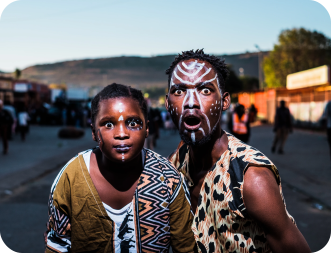

As illustrated in the case of Calabar, cultural industries are important contributors to economic prosperity and sustaining local livelihoods. They are also symbolic of a people's cultural heritage and integral for advancing soft power. Cultural hubs, including museums and tourist destinations, invite artists and travelers, thereby enhancing a Nation's international attractiveness. On the other hand, by exporting creative goods and services, Nations can increase their brand value and influence consumer choices in the international market. A culturally vibrant country can also enable its government to facilitate cross-cultural exchange and knowledge sharing with their global
As illustrated in the case of Calabar, cultural industries are important contributors to economic prosperity and sustaining local livelihoods. They are also symbolic of a people's cultural heritage and integral for advancing soft power. Cultural hubs, including museums and tourist destinations, invite artists and travelers, thereby enhancing a Nation's international attractiveness. On the other hand, by exporting creative goods and services, Nations can increase their brand value and influence consumer choices in the international market. A culturally vibrant country can also enable its government to facilitate cross-cultural exchange and knowledge sharing with their global
The Global Creative Economy
As illustrated in the case of Calabar, cultural industries are important contributors to economic prosperity and sustaining local livelihoods. They are also symbolic of a people's cultural heritage and integral for advancing soft power. Cultural hubs, including museums and tourist destinations, invite artists and travelers, thereby enhancing a Nation's international attractiveness. On the other hand, by exporting creative goods and services, Nations can increase their brand value and influence consumer choices in the international market. A culturally vibrant country can also enable its government to facilitate cross-cultural exchange and knowledge sharing with their global
As illustrated in the case of Calabar, cultural industries are important contributors to economic prosperity and sustaining local livelihoods. They are also symbolic of a people's cultural heritage and integral for advancing soft power. Cultural hubs, including museums and tourist destinations, invite artists and travelers, thereby enhancing a Nation's international attractiveness. On the other hand, by exporting creative goods and services, Nations can increase their brand value and influence consumer choices in the international market. A culturally vibrant country can also enable its government to facilitate cross-cultural exchange and knowledge sharing with their global